News
-
Why we still don’t yet know how bad climate migration will get
Gabrielle Wong-Parodi speaks with Vox on climate migration
March 16, 2022
-
Natural Disasters Sway Feelings About Climate Projections
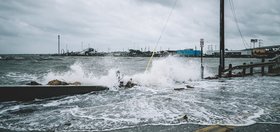
Negative personal experiences with natural disasters like wildfires and hurricanes are among key variables in pushing people to take or accept protective measures.
March 09, 2022
-
It’s personal: Stanford-led research reveals how people’s experience with climate-related disasters affects their willingness to take and accept protective actions
Surveys show that negative climate experiences are associated with elevated perceived risk for specific climate hazards, and more.
March 01, 2022
-
A new effort to help communities adapt to climate change
Gabrielle Wong-Parodi, along with fellow partners and staff, are featured in PBS
November 06, 2021
-
Extreme weather doesn’t usually motivate Americans to move. Here’s why
Gabrielle Wong-Parodi speaks on the complexities of moving after extreme weather events with PBS News Hour.
October 05, 2021
-
Q&A: Why environmental justice motivates geoscientists
Six Stanford Earth community members talk about how they center and uplift environmental justice in their work and life.
June 23, 2021
-
Q&A with Stanford experts: How does climate change drive migration, and what can be done about it?
Stanford researchers discuss how climate change’s effect on migration will change, how we can prepare for the impacts and what kind of policies could help alleviate the issue.
June 02, 2021
-
Stanford Earth’s Gabrielle Wong-Parodi receives NSF CAREER Award
The grant supports early-career faculty who have the potential to serve as academic role models in research and education and to lead advances in the mission of their department.
March 29, 2021
-
Making America green again
The findings, expertise and policy experience of Stanford researchers working across multiple fields could help contribute to sustainable, cost-effective solutions.
March 23, 2021
-
Stanford researchers explore how shifts in federal approaches can turn the tide of destructive wildfires
Stanford research and expertise point toward bipartisan solutions that reset priorities, change mindsets and employ new technologies.
March 23, 2021
-
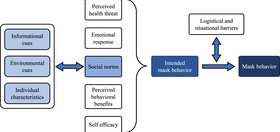
Researchers find confusion over masks for wildfire, COVID-19 crises
Stanford researchers outline recommendations for communicating mask use guidelines during compounding crises.
October 28, 2020
-
Conversations on Climate Challenges: Natural Disasters, Risk, and Survey Data
Researchers provide insights for individuals, policymakers, and others who may want to know what kinds of actions will be most effective in the face of these environmental threats.
September 29, 2020
-
What a day on Mars will do: Californians have new urgency on climate change
Some well-earned skepticism persists that temporary enthusiasm will do little to bring about broad and long-term change.
September 25, 2020
-
New Stanford seed grants create pathways to sustainability
17 seed grants have been awarded, providing one year of funding to faculty pursuing groundbreaking ideas for sustaina
September 24, 2020
-
COVID-19 provides rare opportunities for studying natural and human systems
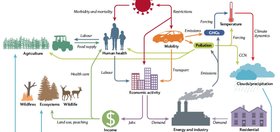
Researchers hypothesize outcomes of the pandemic's disruption and outline research priorities for advancing our understanding of humans' impact on the environment
July 29, 2020
-
Stanford reflects on Earth Day at 50: Gabrielle Wong-Parodi
Gabrielle Wong-Parodi explains how resource-conserving default settings on appliances and other technologies could have substantial impacts on the environment.
April 22, 2020
-
Stanford celebrates the 50th anniversary of Earth Day
Stanford scholars, including faculty at Stanford Earth, detail some of the major environmental success stories of the past half century and reflect on important milestones.
April 22, 2020
-
Stanford researchers weigh in on Australian wildfires
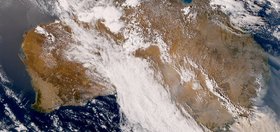
The Daily spoke to several professors and researchers to get their perspective on the situation in Australia and speak to the larger issues at play.
January 16, 2020
-
Stanford-led review offers pathways to change the minds of climate deniers
By reviewing the psychology behind climate change rejection, a Stanford researcher suggests four approaches that can sway climate deniers and help overcome obstacles to solutions
January 08, 2020
-
California’s climate dystopia comes true
Researchers reflect on PG&E Public Safety Power Shutoffs
October 09, 2019